

Marketing Tips for Landscapers to Increase Leads

Landscaping is both a visual and service-oriented business. Homeowners expect creativity, reliability, and a well-maintained outdoor space. Yet many landscaping companies struggle to attract new clients because of marketing missteps. By identifying and correcting these common mistakes, landscapers can increase leads, boost local visibility, and convert more prospects into paying clients.
1. Weak Website Conversion
MA beautiful website alone doesn’t guarantee leads. Many landscapers focus on design and visuals but fail to guide visitors toward taking action. Without clear calls-to-action (CTAs), easy navigation, and strategic content placement, potential clients leave the site without contacting you. This results in lost opportunities, even if your traffic numbers are strong.
Why Website Conversion Matters
- Traffic ≠ Leads: Visitors may admire your work but won’t book a consultation unless prompted.
- Trust & Professionalism: Poorly organized pages or missing contact info reduce trust.
- Opportunity Loss: High-intent visitors seeking immediate services (like seasonal cleanup or emergency repairs) may go to competitors with more effective conversion elements.
Internal link preserved:
👉 Website Development Services – Optimizing your website for conversions ensures every visitor has a clear path to become a client.
How to Improve Website Conversion for Landscapers
1. Clear and Compelling Calls-to-Action
- Use CTAs such as “Request a Free Estimate,” “Schedule a Consultation,” or “Get Your Seasonal Lawn Plan.”
- Place buttons above the fold and repeat them throughout the page for accessibility.
2. Showcase Portfolio & Before/After Images
Visual proof of your landscaping expertise builds trust and encourages inquiries. Highlight transformations for different services (hardscaping, lawn care, irrigation) to appeal to a range of prospects.
Internal link preserved:
👉 Before/After Work Section
3. Simplify Contact Options
- Offer multiple ways to connect: phone, email, text, or web form.
- Ensure the contact form is short, clear, and mobile-friendly, reducing friction for visitors.
4. Mobile Optimization
Most homeowners search for landscapers from their phones. Slow-loading pages, broken forms, or hard-to-read layouts dramatically reduce conversions. Ensure your website is fully responsive and fast-loading.
5. Use Testimonials and Trust Signals
Display client reviews, certifications, and awards prominently. Social proof reassures prospects and encourages them to take the next step.
6. Track and Test Conversion Elements
Use analytics tools to see which pages, forms, or buttons generate leads. Adjust your layout, CTAs, and content based on real data to continuously improve conversion rates.
High-Impact Example Layout
Hero Section: Eye-catching project photo with CTA button “Request a Free Estimate.”
Portfolio Section: Before/after images highlighting recent projects.
Service Pages: Clearly separated pages for each offering, each with CTAs and testimonials.
Footer: Easy-to-find contact info, social links, and a newsletter signup.
Final Takeaway
For landscapers, a beautiful website isn’t enough. Your website must guide visitors seamlessly toward taking action, whether requesting a quote, scheduling a consultation, or calling your office. By implementing strong CTAs, showcasing transformations, and simplifying contact options, you maximize the ROI of your website traffic and turn visitors into paying clients.
2. No Review Strategy
Online reviews are one of the most powerful tools for landscapers to build credibility, attract new clients, and improve local SEO. Many landscaping businesses neglect this, leaving their reputation to chance. Without a systematic approach to gathering, managing, and showcasing reviews, you risk losing prospects who rely heavily on social proof before hiring a professional for outdoor work.
Why a Review Strategy Matters
- Influences Buyer Decisions: Homeowners often read multiple reviews before hiring a landscaper. A few positive reviews can significantly increase trust.
- Boosts Local Search Visibility: Google and other search engines prioritize businesses with consistent, high-quality reviews in the local map pack.
- Demonstrates Professionalism: Actively managing reviews shows you care about client feedback and quality of service.
Internal link preserved:
👉 Google Business Profile – Ensuring your profile is complete and optimized makes it easier for clients to leave reviews and for Google to rank you locally.
How to Implement an Effective Review Strategy
1. Ask for Reviews Consistently
- Request reviews immediately after a job is completed when satisfaction is high.
- Use multiple channels: email, text messages, or follow-up calls.
- Make leaving a review easy with direct links to your Google Business Profile, Yelp, or other relevant platforms.
2. Respond to Every Review
- Thank customers for positive reviews to show appreciation.
- Address negative reviews promptly and professionally. Offer solutions when possible.
- Engaging with reviews demonstrates transparency and commitment to customer service.
3. Showcase Reviews Across Channels
- Feature testimonials on your website and service pages.
- Share positive reviews on social media to expand reach and credibility.
- Use client quotes in email newsletters or seasonal campaigns.
Internal link preserved:
👉 Reputation Management Services – Tools and strategies to automate review requests and monitor online feedback.
Tips for Maximizing Review Impact
- Highlight Niche Services: Ask clients to mention the specific service you performed, like hardscaping, irrigation, or seasonal cleanup. This improves relevancy for search queries.
- Timing Matters: Request reviews during peak satisfaction windows, such as right after project completion or after a successful consultation.
- Encourage Detailed Feedback: Reviews that describe the experience, quality of work, and professionalism carry more weight with both prospective clients and search engines.
High-Impact Example
- Post-Job Email:
“Hi [Client Name], thank you for letting us transform your yard! If you’re happy with our work, we’d love it if you could leave a quick review here: [Google Review Link].” - Social Media Feature:
Share a client review alongside before/after photos, tagging the location for added local SEO benefit.
Final Takeaway
For landscapers, not having a review strategy is leaving a significant amount of trust, credibility, and potential revenue on the table. By systematically collecting, responding to, and showcasing reviews, you not only improve your online reputation but also increase leads and conversions, giving your business a competitive edge in local search results.
3. Not Showcasing Before/After Work
Landscaping is an inherently visual industry. Potential clients want to see proof of your skills and creativity before committing to your services. Failing to showcase before-and-after transformations leaves visitors guessing about your capabilities and can significantly reduce conversion rates. Without visual evidence, even your most impressive projects may go unnoticed.
Why Before/After Images Matter
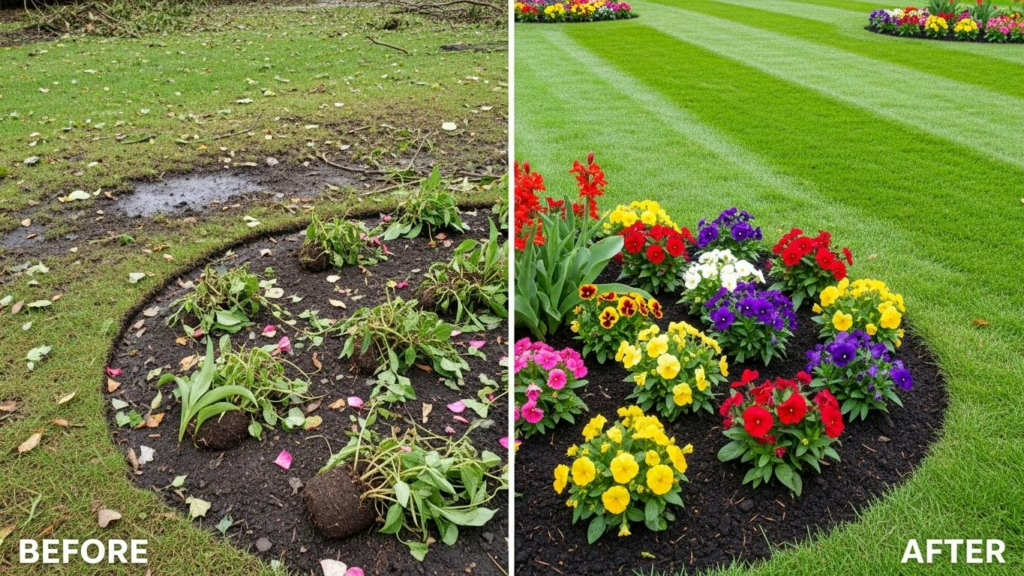
- Build Trust and Credibility
High-quality before-and-after photos demonstrate that your team delivers consistent, professional results. Prospective clients are more likely to trust a landscaper who visibly proves their expertise. - Highlight Skills Across Services
Before-and-after galleries allow you to showcase multiple services such as:- Lawn renovation
- Hardscape installations
- Garden design
- Seasonal cleanups
Each transformation tells a story of your skill and attention to detail.
- Increase Engagement and Conversions
Visual content captures attention more effectively than text alone. Visitors who see tangible results are more likely to request an estimate or schedule a consultation. - Boost SEO
Optimized images with descriptive alt text and captions can improve your organic search visibility, particularly for location-based searches like “landscaping before/after in Billings, MT.”
How to Showcase Your Work Effectively
1. High-Quality Photography
- Use professional photos to capture lighting, angles, and details.
- Consistency is key—take photos from the same perspective for before and after shots.
- Ensure images are optimized for fast website loading and mobile viewing.
2. Organize by Service
- Create separate galleries or pages for each service.
- Label images with descriptive captions such as “Hardscape Patio Installation – Before & After.”
- Internal links: Connect galleries to relevant service pages.
Internal link preserved:
👉 Website Development Services
3. Include Client Testimonials
Pair visuals with short quotes from satisfied customers to enhance credibility and provide social proof.
4. Share on Social Media
- Use Instagram carousels or Facebook albums to show transformations.
- Include captions that explain the process and results, encouraging inquiries.
- Hashtags like #BeforeAfterLandscaping #LawnTransformation help reach new local audiences.
Final Takeaway
For landscapers, visual proof of work is essential. Without before-and-after images, potential clients may question your ability, and your website may underperform in converting visitors into leads. By systematically showcasing transformations, pairing images with testimonials, and linking galleries to service pages, you build trust, boost engagement, and increase conversions, giving your landscaping business a clear advantage.
4. Ignoring Seasonal or Niche Content
Landscaping is a seasonal and niche-driven industry. Many landscapers miss opportunities to attract high-intent clients because they fail to create content that addresses specific seasonal needs or specialized services. Homeowners often search online for solutions that match their current landscaping challenges, and without targeted content, your business can be invisible when it matters most.
Why Seasonal and Niche Content Matters
- Captures High-Intent Leads
Homeowners typically search for services when they need them most—spring planting, summer irrigation, fall cleanup, or winter snow prep. Content tailored to these seasons aligns with buyer intent, making it more likely they’ll reach out. - Positions You as a Local Expert
Publishing seasonal content such as “Preparing Your Lawn for Winter in Missoula, MT” or “Spring Flower Bed Design Tips” demonstrates expertise and local knowledge, differentiating you from generic competitors.
- Supports Niche Marketing
Offering specialized services like sustainable landscaping, xeriscaping, or commercial property maintenance can attract clients specifically looking for those solutions. Niche content helps Google and prospective customers understand your unique offerings.
How to Leverage Seasonal and Niche Content
1. Plan a Seasonal Content Calendar
- Spring: Lawn prep, planting, irrigation installation, garden design.
- Summer: Lawn care, pest control, hardscape maintenance, outdoor lighting.
- Fall: Leaf removal, mulching, winter garden prep.
- Winter: Snow removal, evergreen maintenance, planning for spring projects.
A consistent content calendar ensures you are visible when clients are actively searching.
2. Create Blog Posts and Guides
- Examples:
- “Top 5 Fall Landscaping Tips for Homeowners”
- “How to Maintain Your Sprinkler System During Summer Heat”
- “Eco-Friendly Landscaping: Sustainable Practices for 2026”
- Include internal links to related service pages and external links to reputable landscaping or gardening authorities.
3. Use Seasonal Promotions
- Offer limited-time discounts or bundled services tied to the season.
- Promote these on your website, email newsletters, and social media to drive urgency and engagement.
4. Highlight Niche Expertise
- Publish content on specialized services to attract high-value clients.
- Examples:
- Xeriscaping for water conservation
- Commercial landscape maintenance for businesses
- Outdoor living enhancements and patio design
Internal link preserved:
👉 Website Development Services
Final Takeaway
For landscapers, ignoring seasonal or niche content means missing high-intent leads and failing to demonstrate expertise. By strategically creating content that addresses seasonal challenges and specialized services, you increase visibility, attract qualified clients, and establish authority in your local market.
5. Poor Call Handling or Slow Response
In the landscaping industry, speed and professionalism in communication are critical. Homeowners often reach out when they have urgent needs, such as seasonal lawn care, irrigation repairs, or storm damage cleanups. Slow responses or poor call handling can lead to lost leads, frustrated prospects, and damage to your reputation—even if your landscaping work itself is outstanding.
Why Fast and Professional Response Matters
- First Impressions Are Everything
Your initial interaction sets the tone for the client relationship. Prompt, courteous responses convey professionalism and reliability, which are key factors homeowners consider before hiring a landscaper. - High-Intent Leads Require Immediate Attention
Many landscaping inquiries come from homeowners who are actively searching for solutions. A delayed response often results in prospects contacting a competitor who answers faster. - Reduces Missed Opportunities
Without a clear system for managing inquiries, leads can get lost in email inboxes, voicemail, or social media messages. Every missed inquiry is a potential lost client.
👉 Reputation Management Services – Managing your online presence also helps ensure clients feel confident reaching out.
How to Improve Call Handling and Response Times
1. Train Your Team
- Ensure all staff answering calls are professional, friendly, and knowledgeable.
- Provide scripts for common questions while allowing natural, personalized conversation.
2. Use Multiple Communication Channels
- Offer phone, email, text, and online booking forms.
- Some clients prefer quick text responses, while others want detailed email information.
3. Implement Lead Management Tools
- Use CRM or scheduling software to track incoming inquiries.
- Set automatic notifications for new messages to guarantee no lead is overlooked.
👉 Website Development Services – Ensure your website integrates forms and chat tools that feed into your lead management system.
4. Set Response Standards
- Aim to respond to inquiries within 30 minutes for phone calls and same-day for emails or forms.
- Clearly communicate expected response times on your website to manage client expectations.
5. Follow Up Consistently
- Even if the first call doesn’t convert, follow up within 24–48 hours to remind prospects of your services.
- Personalized follow-ups demonstrate commitment and increase the likelihood of conversion.
High-Impact Example
Scenario: A homeowner submits a request for spring lawn care via your website.
- Immediate Response: Automated confirmation email acknowledging receipt and estimated response time.
- Follow-Up Call: Within an hour, a staff member calls to schedule a consultation.
- Outcome: Lead converts to a paying client because they felt prioritized and valued.
Final Takeaway
For landscapers, poor call handling or slow response is one of the easiest ways to lose leads and damage your reputation. By training staff, using multiple communication channels, setting response standards, and following up consistently, you capture more leads, build trust, and turn inquiries into loyal clients.
6. Not Using Service-Specific Pages
Many landscaping websites lump all their offerings into a single page, making it difficult for both prospective clients and search engines to understand the breadth and depth of your services. Without dedicated pages for each service, you miss opportunities to rank for targeted keywords, attract qualified leads, and demonstrate expertise in specific areas of landscaping.
Why Service-Specific Pages Matter
- Boosts SEO and Local Visibility
Each service-specific page can target unique keywords like “hardscape installation in Billings” or “irrigation system repair near me.” This increases your chances of appearing in local search results and Google’s map pack.
👉 Industry-Specific SEO Services
👉 SEO Services
- Improves User Experience
Visitors can quickly find relevant services without scrolling through a generic page. Clear organization increases engagement, reduces bounce rates, and guides prospects toward conversions. - Showcases Expertise for Each Service
Dedicated pages allow you to detail the process, benefits, before/after images, and testimonials for each service, reinforcing your credibility.
How to Create Effective Service-Specific Pages
1. Identify Your Core Services
Common landscaping services include:
- Lawn Maintenance
- Hardscape Design and Installation
- Irrigation Systems
- Seasonal Cleanup
- Outdoor Lighting
- Sustainable Landscaping / Xeriscaping
2. Structure Each Page Effectively
- Hero Image: Feature a high-quality image relevant to the service.
- Service Description: Explain what the service includes and why it matters.
- Before/After Gallery: Show real transformations to build trust.
- CTA: Include a clear call-to-action, like “Request Your Free Estimate Today.”
- Internal Links: Link to related services or blog content.
👉 Website Development Services
3. Optimize for SEO
- Include location-specific keywords (e.g., “landscape lighting in Billings, MT”).
- Use descriptive meta titles and descriptions.
- Add alt text to images to improve organic search visibility.
4. Integrate Testimonials and Reviews
- Include client feedback specific to the service.
- Highlight problem-solving examples and success stories.
Final Takeaway
For landscapers, not using service-specific pages means missed opportunities to attract qualified leads and demonstrate authority. By creating dedicated pages for each service, optimizing them for SEO, and providing clear CTAs and visual proof of work, you enhance user experience, improve local search visibility, and increase conversions, ensuring your website works as effectively as your team does in the field.
7. Not Ranking for Local Searches
For landscapers, most leads come from local homeowners and businesses searching for services nearby. If your website and online presence aren’t optimized for local search, you risk missing high-intent prospects who are ready to hire. Failing to appear in local results not only reduces visibility but can also send potential clients straight to competitors.
Why Local Search Optimization Matters
- Captures High-Intent Leads
Homeowners searching “landscapers near me” or “Billings lawn care” are often ready to hire. Being visible in these searches ensures you connect with clients actively looking for your services. - Improves Google Map Pack Presence
Google displays businesses in the local map pack based on relevance, distance, and reviews. Without proper optimization, your business may never appear in this highly visible section.
👉 Google Business Profile – Keeping your profile accurate, up-to-date, and engaging improves your chances of ranking in local search.
- Strengthens Trust and Credibility
Local search results often include reviews, photos, and business hours. A complete and optimized profile demonstrates professionalism and reliability, making prospects more likely to choose your landscaping company.
How to Rank Higher in Local Searches
1. Optimize Your Google Business Profile (GBP)
- Ensure your NAP (Name, Address, Phone) is accurate and consistent.
- Add high-quality photos of your work, team, and completed projects.
- Post updates, offers, and seasonal content to keep your profile active.
- Encourage clients to leave reviews and respond promptly.
2. Use Location-Specific Keywords
- Include your city, neighborhood, or service area in service pages, meta descriptions, headings, and content.
- Examples: “Billings, MT lawn renovation,” “Missoula irrigation system installation.”
3. Create Localized Content
- Publish blog posts or guides targeting your local area:
- “Top 5 Landscaping Tips for Billings Homeowners”
- “Preparing Your Yard for Winter in Bozeman”
- Internal linking: Link to related service pages to guide visitors toward conversions.
Internal link preserved:
👉 SEO Services
4. Ensure Your Website is Mobile-Friendly
- Local searches often come from mobile devices.
- Fast-loading, responsive websites improve user experience and boost search rankings.
5. Build Local Citations
- List your business on local directories (Yelp, Angi, HomeAdvisor).
- Maintain consistency across all platforms to improve local authority.
Final Takeaway
For landscapers, not ranking in local searches is one of the biggest missed opportunities for high-quality leads. By optimizing your Google Business Profile, using location-specific keywords, creating localized content, and maintaining a mobile-friendly website, you increase visibility, attract more local clients, and build trust within your community.
Marketing Tips for Landscapers FAQ
Why is it important for landscapers to rank in local searches?
Most landscaping leads come from local homeowners and businesses searching for services nearby. Ranking in local searches increases visibility, attracts high-intent clients, and ensures your business appears in Google’s map pack, driving more inquiries.
How can service-specific pages help my landscaping business?
Dedicated pages for each service, like lawn care or hardscape installation, improve SEO by targeting specific keywords, showcase your expertise, and make it easier for visitors to find relevant information, ultimately increasing conversions.
What are the benefits of showcasing before-and-after landscaping projects?
Before-and-after images build trust, demonstrate your skills, and visually prove the quality of your work. They also increase engagement, improve conversion rates, and give potential clients confidence to request a quote.
How do reviews impact a landscaper’s business?
Reviews influence client decisions, boost local search rankings, and demonstrate professionalism. A consistent review strategy—including collecting, responding, and showcasing reviews—helps attract more qualified leads and improves online credibility.
Why should landscapers focus on seasonal and niche content?
Seasonal content, like spring planting tips or fall cleanup guides, aligns with homeowner search intent when services are needed most. Niche content, such as sustainable landscaping or commercial maintenance, targets specialized clients, increasing your authority and attracting high-value leads.
What role does call handling and response time play in lead generation?
Prompt, professional responses create strong first impressions and prevent lost leads. Homeowners often contact multiple landscapers, so answering quickly and courteously increases the chances of converting inquiries into paying clients.
How can landscapers improve weak website conversion?
Weak conversions often result from unclear calls-to-action, poor navigation, or missing contact options. By using strong CTAs, showcasing portfolios, optimizing mobile performance, and integrating forms and testimonials, landscapers can turn more visitors into clients.
How can landscapers optimize their websites for local SEO?
Ensure consistent NAP (Name, Address, Phone) across platforms, optimize Google Business Profile, use location-specific keywords in content, create localized blog posts, and build citations on reputable local directories.
How can I measure if my marketing strategy is effective for my landscaping business?
Track website traffic, lead form submissions, phone calls, review growth, and local search rankings. Using analytics and reporting tools allows you to identify which strategies drive results and where improvements are needed.
What is the easiest way to start collecting reviews from landscaping clients?
Ask for reviews immediately after completing a job when clients are satisfied. Provide direct links to your Google Business Profile or other review platforms, and make it easy for clients to leave feedback via email, text, or follow-up calls.